

How Often Should You Replace Your Scrubs?

Most nurses ask the wrong question when deciding whether to replace their scrubs. It's not "how long do scrubs last." It's "which piece is actually done." A top can wear out from underarm friction long before the pants show any strain. Pants can lose their waistband months before the fabric fades. A lab coat, if you own one, might outlast both by a year or more.
Treating your scrubs as one unit causes problems either way. You replace everything too early, which costs more than it should. Or you hang onto a worn top because the pants still look fine. Neither is a great use of a paycheck. This checklist breaks replacement down by garment. That way, you replace only what's actually worn out — and get the most out of every piece you own.
Why Replacement Timing Isn't the Same for Every Piece
Every part of a scrub set wears differently. Tops flex at the shoulders and underarms with every reach and lift. Scrub pants take the brunt at the knees, hips and waistband — especially if your shift has you crouching, bending or walking for hours. Lab coats and jackets see less friction since they're layered on top, not worked against your body all shift. That's why they usually last the longest.
This is why one lifespan number doesn't tell the full story. Two pieces bought the same day can look completely different a year later. Checking each garment on its own is the only way to know what needs replacing.
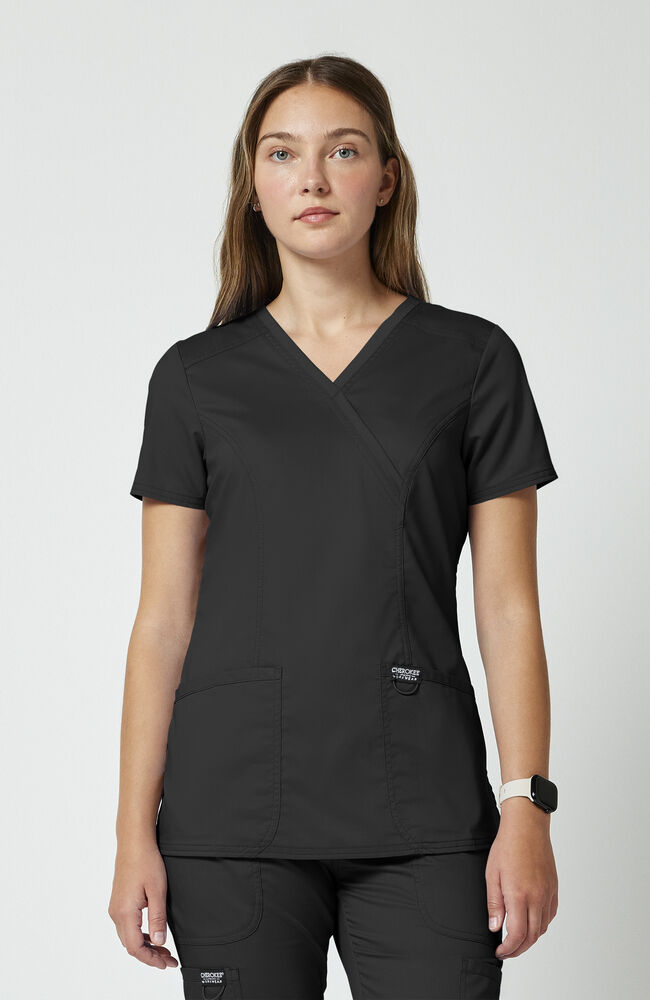
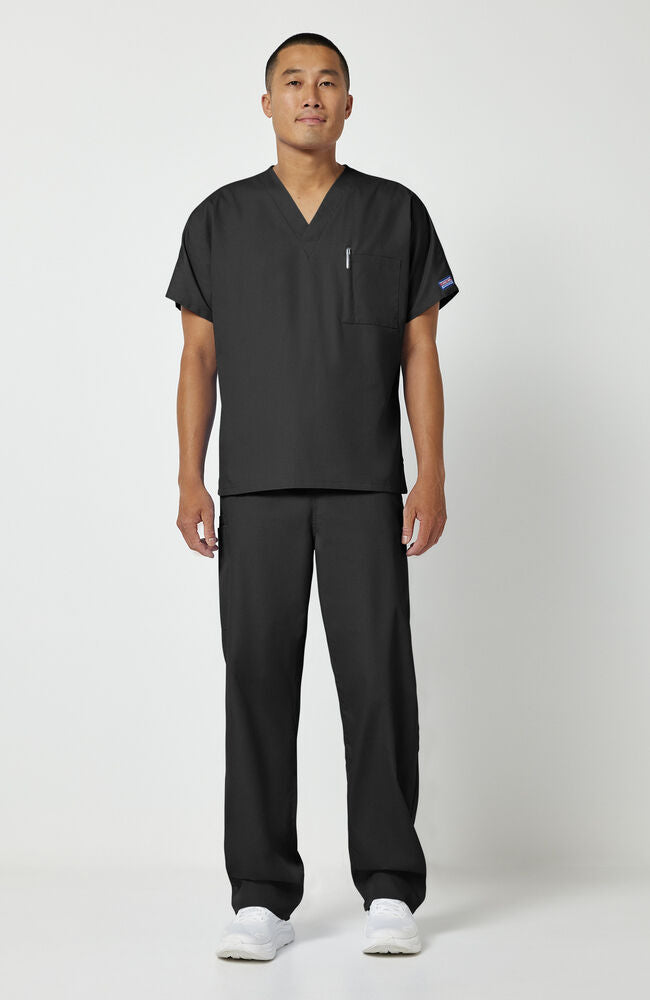
Scrub Tops: When to Replace
Tops usually show wear before pants do, simply because they move the most. Watch for:
-
Thinning fabric under the arms or across the shoulders, where reaching and lifting put the most repeated stress on the material
-
A stretched-out or permanently loose neckline that no longer sits the way it did new
-
Fading concentrated around the pockets or chest, which often points to repeated friction from badges, pens or a stethoscope
-
Snaps, zippers or closures that no longer hold securely
Quick check: hold the top up to the light. If you can see daylight through the fabric at the shoulders or underarms, it's time for a new one.














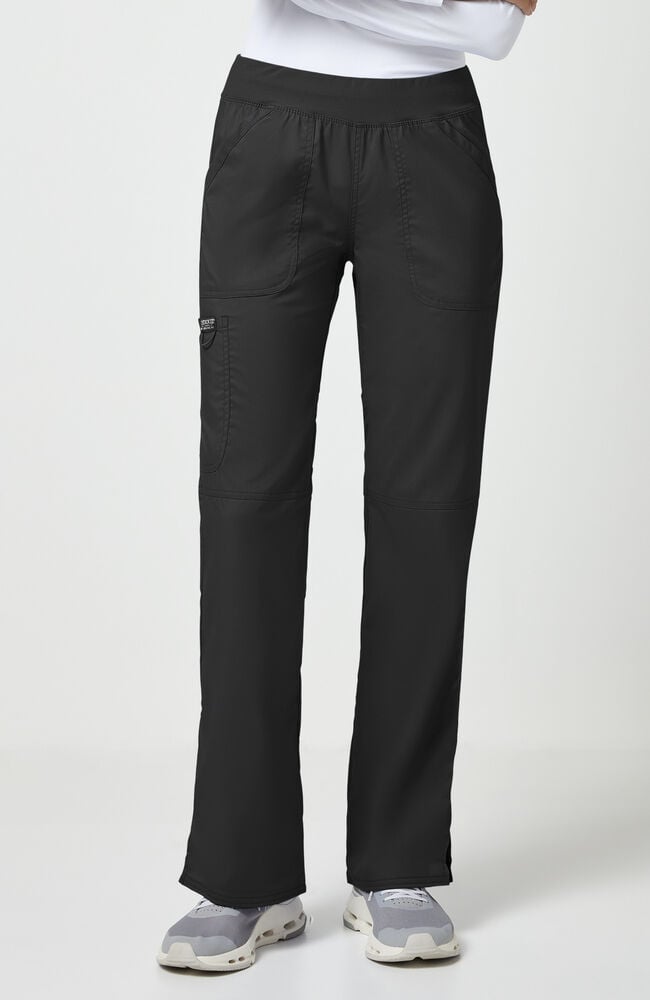
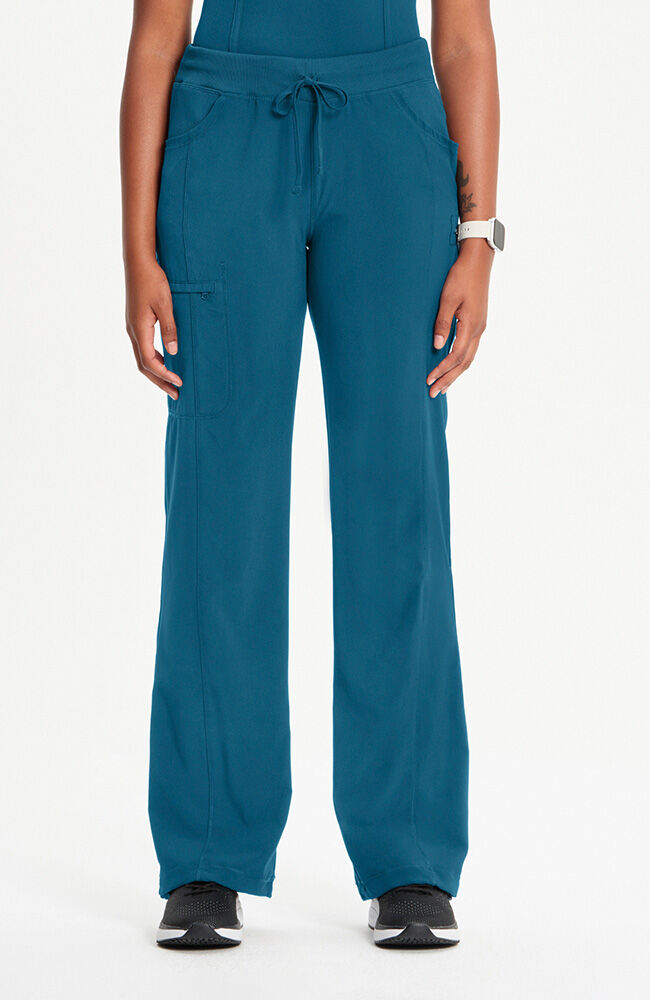
Scrub Pants: When to Replace
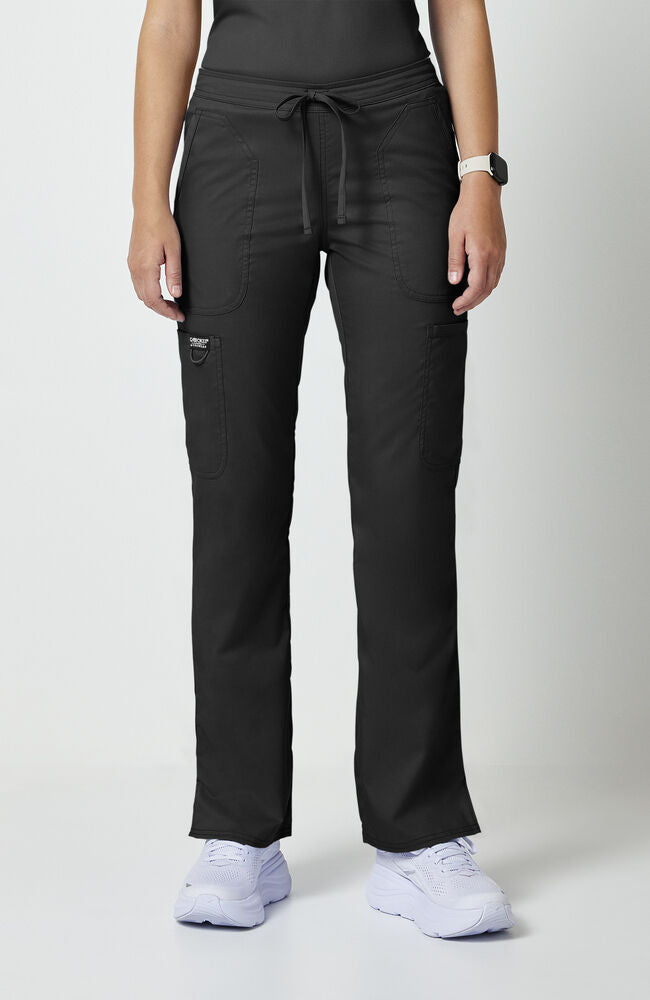
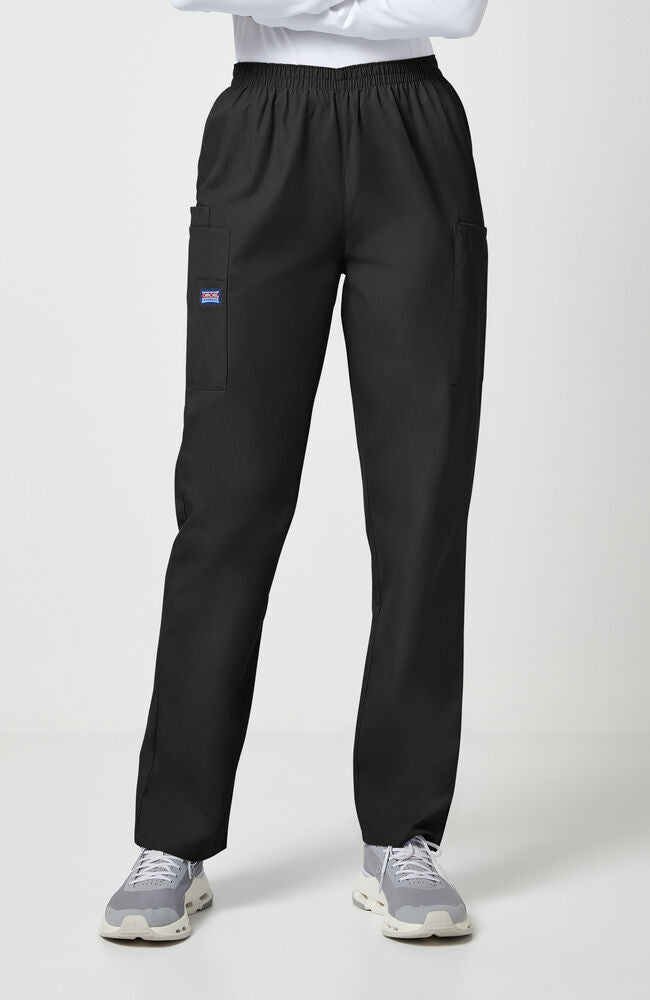
Pants tend to fail at the waistband before the rest of the fabric gives out. Watch for:
-
Elastic that no longer snaps back — if you're cinching a drawstring tighter every few weeks just to keep pants up, the waistband is done
-
Thinning or shiny fabric at the knees, from repeated bending, crouching or kneeling
-
Wear along the inseam or inner thigh, especially common if your shift involves a lot of walking
-
A hem that's fraying or pants that no longer sit at the length they did when new
Quick check: sit down and stand up a few times. If the waistband doesn't return to its original size or the fabric feels thin at the knee when you press it, replace the pair.












Lab Coats and Scrub Jackets: When to Replace
Outerwear typically lasts the longest in a scrub rotation, since it isn't worked against your body the way tops and pants are. Still, watch for:
-
Fraying at the cuffs and pockets, usually the first sign of wear on a coat or scrub jacket
-
Buttons or snaps that no longer close securely
-
Fabric that's lost its shape at the shoulders or lapels
-
Visible staining or discoloration that hasn't responded to normal care
Because lab coats and jackets see less friction, one well-made piece can often outlast two or three rotations of tops and pants. That makes it worth investing a little more upfront in a coat built to hold its shape.
Your Garment-by-Garment Replacement Checklist
Use this as a quick reference before your next shift:
Scrub top — replace if: fabric is thin at the underarms or shoulders, the neckline has stretched out, or closures no longer hold.
Scrub pants — replace if: the waistband won't spring back, the knees feel thin, or the inseam is visibly worn.
Lab coat or jacket — replace if: cuffs are fraying, closures are failing, or the shape has gone flat at the shoulders.
Getting More Life Out of Your Scrubs Between Replacements
None of this means you're stuck replacing pieces constantly. A few habits go a long way toward slowing down the wear patterns above.
Rotate 3 to 5 sets through the week instead of wearing the same pair back-to-back. This gives every piece time to recover between shifts, and it's one of the simplest ways to stretch a garment's life. Not sure how many sets makes sense for your schedule? Our guide on how many pairs of scrubs you should own walks through it.
Fabric quality plays a role too. Scrubs built with reinforced seams and fade-resistant construction, like Cherokee's Workwear Revolution and Infinity lines, are designed to hold their shape and color through the kind of repeated wear this checklist is built around.
Want the full picture on what separates a scrub that lasts from one that doesn't? Our guide on how to choose durable scrubs covers it in more depth. For the wash and care habits that help every piece go the distance, see our guide on how to wash scrubs the right way.
FAQs About Replacing Your Scrubs
How often should nurses replace their scrubs?
It depends on the garment. Tops and pants in regular rotation typically need replacing every 6 months to 2 years, depending on fabric quality and how often they're worn. Lab coats and jackets usually last longer since they see less direct wear.
How many pairs of scrubs should I own to rotate?
Most healthcare workers do well with 3 to 5 sets in rotation. That's enough to avoid wearing the same pair two shifts in a row while still keeping laundry manageable.
Do Lab Coats need replacing as often as scrub tops?
No. Lab coats and jacket are layered on top so they typically outlasts tops and pants.
What's the most budget-friendly way to replace scrubs gradually?
Replace by garment instead of by set. If your top is worn but your pants still fit and hold their shape, there's no need to replace both. Checking each piece against the signs above helps you spend only where it's actually needed.
Whether you need a new scrub top, a fresh pair of scrub pants, or a lab coat built to outlast the rest of your rotation, Cherokee's range is designed to hold up to real shifts — so you can replace only what actually needs it.